Waste clearance for Goldhawk Road shops in Shepherds Bush
Posted on 03/09/2026
Shops on Goldhawk Road do not get the luxury of clutter hanging around. Stock arrives, displays change, packaging builds up, and before long the back room starts looking less like a workspace and more like a storage headache. Waste clearance for Goldhawk Road shops in Shepherds Bush is about more than emptying bins; it is about keeping the shop floor safe, staying presentable, and avoiding that slow, messy creep of rubbish that can knock a business off balance. If you manage a boutique, convenience store, salon, takeaway, or small retail unit, you will know the feeling. One busy week and suddenly there are boxes in the aisle and broken fittings by the back door.
This guide breaks down how shop waste clearance works, what to expect, where businesses often go wrong, and how to handle clearances without disrupting trade. It also covers practical compliance points, timing, and sensible ways to choose the right clearance approach for a busy Shepherds Bush location.
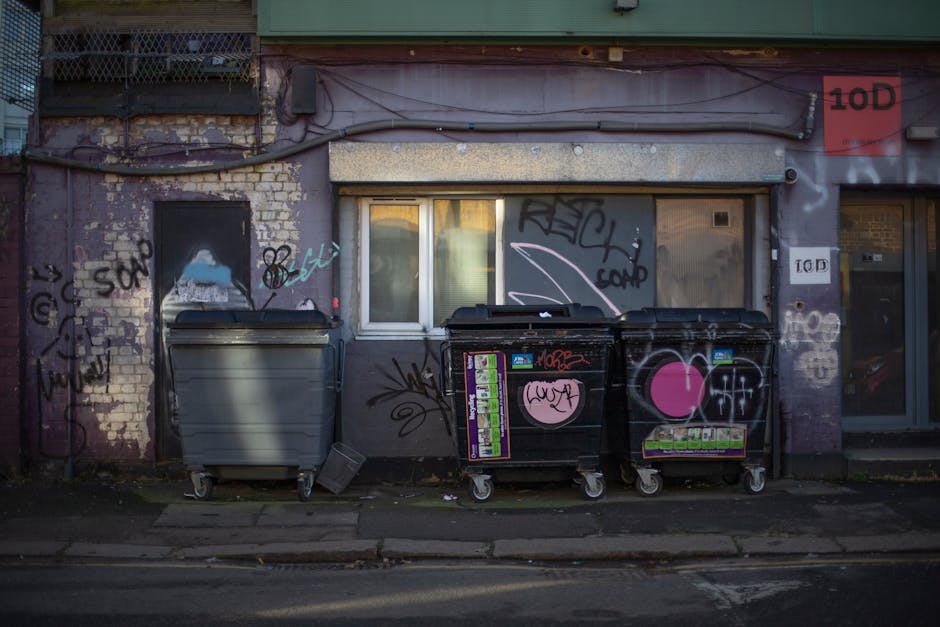
Why Waste clearance for Goldhawk Road shops in Shepherds Bush Matters
Goldhawk Road sits in a part of Shepherds Bush where retail activity, local footfall, and limited space all meet at once. That mix is useful for business, but it also means waste accumulates quickly. Cardboard from deliveries, damaged shelving, old promotional materials, broken stock, packaging film, and end-of-line displays can take up more room than you think. Leave it too long and you are working around the mess instead of using the space properly.
There is also the customer side. People notice a shop that feels tidy, organised, and cared for. They notice clutter too, even if they do not consciously say it. A clear back-of-house area tends to improve staff movement, stock handling, and general morale. That part is easy to underestimate. One assistant not needing to step over boxes all day makes a difference, honestly.
For businesses in a dense urban area, waste clearance also helps with practical risk management. Overfilled storage areas can make emergency exits harder to use, create trip hazards, attract pests, and complicate cleaning routines. In a small retail unit, those issues stack up fast. So the value here is not just convenience; it is everyday operation, presentation, and safety.
If your shop is part of a larger move, refit, stock reset, or change of use, it becomes even more important. In those moments, waste clearance is not an afterthought. It is part of getting the shop ready to trade again. For wider business-related help, some owners also find it useful to look at the full services overview and the practical guidance in your rubbish removal needs.
How Waste clearance for Goldhawk Road shops in Shepherds Bush Works
Most shop clearances follow a fairly simple rhythm: assess, sort, remove, and tidy. The part that changes is the scale. A small boutique clearing seasonal display waste needs a different approach from a shop that is refitting its interior or closing a storeroom full of old fittings.
In practice, the process usually starts with identifying what needs to go. That might include cardboard, shop fixtures, packaging, old mannequins, broken displays, office chairs, general waste, or mixed non-hazardous rubbish. The clearer the sort, the smoother the job. Mixed waste is workable, but separating recyclable material ahead of time often helps keep disposal more efficient.
Then comes access. Goldhawk Road is busy enough that loading, parking, and timing matter. A good clearance plan should respect the realities of shop trading hours, deliveries, and nearby pedestrian traffic. Early morning or quieter periods are often easier. Sometimes a short, focused collection is better than trying to do everything in one long stretch. A messy single haul can be more disruptive than two tidy visits. Bit of a nuisance to plan, yes, but worth it.
After removal, the final step is disposal and recycling handling. A responsible clearance service should sort materials sensibly and avoid sending reusable or recyclable items to landfill unnecessarily. That is especially relevant for retail waste, which can include a surprising amount of clean cardboard, wood, metal, and plastics that can be diverted appropriately.
If your shop project overlaps with refurbishment or strip-out work, it may also connect with builders waste disposal in Shepherds Bush, especially where plasterboard, timber, offcuts, and packaging are involved.
Key Benefits and Practical Advantages
The obvious benefit is having the rubbish gone. Fair enough. But the more useful advantages go deeper than that.
- Better use of space: Retail units often have tiny backrooms. Clearing them frees up room for stock, storage, and daily movement.
- Cleaner customer impression: A tidy frontage and uncluttered stockroom support a more professional feel.
- Reduced staff frustration: People work better when they are not navigating around piles of empty packaging.
- Lower trip and fire risk: Less clutter means fewer hazards, especially in older or compact shop layouts.
- Faster turnaround during changeovers: Useful for seasonal resets, refits, inventory changes, or closing-down sales.
- More sustainable handling: Good clearance practice can separate recyclable items from general waste.
There is another practical benefit people often miss: momentum. Once the waste is out, the shop feels easier to manage. Staff can clean properly, stock can be organised, and the unit starts to feel operational again. That psychological shift matters more than people admit. It is hard to keep a place sharp if the back room keeps shouting at you.
For business owners who care about cost control, it also helps to compare clearance against the time cost of asking staff to do it piecemeal. A few members of staff spending half a day dragging rubbish out the door may seem economical, but it can easily eat into trading time. If you are weighing up scheduling and value, pricing and quotes is a sensible place to start.
Who This Is For and When It Makes Sense
This kind of clearance makes sense for a wide range of Goldhawk Road businesses. You might need it if you run a high-street shop, a beauty salon, a barbershop, a cafe, a takeaway, a small independent retailer, or a shop-with-store room setup. The common thread is simple: if your business produces physical waste that starts eating into usable space, clearance becomes part of the job.
It is especially relevant during:
- seasonal merchandising changes
- shop refits or small refurbishments
- stock rotation and end-of-line clear-outs
- moving premises or taking over a unit
- closing, downsizing, or changing the layout
- post-delivery waste surges after large stock arrivals
Some businesses also benefit from a one-off clearance after a busy period. Think of the Christmas rush, a sale event, or a product launch. Packaging and display waste can build up astonishingly quickly. It is rarely glamorous work, but keeping that side under control makes the whole operation calmer.
If your business operates alongside residential or mixed-use buildings, you may also want to pay attention to access, noise, and timing. In Shepherds Bush, that is not theoretical. It is the difference between a smooth collection and a grumpy day for everyone on the pavement.
Step-by-Step Guidance
Here is a straightforward way to approach shop waste clearance without making it harder than it needs to be.
- Walk the unit and identify waste types. Separate cardboard, general rubbish, broken fixtures, recyclable materials, and anything that may need special handling.
- Check what can be reused. Some shop fittings, shelving, or display materials can be repurposed, donated, or stored rather than thrown away.
- Estimate volume and access needs. Ask yourself: how much is there, where is it stored, and how easy is it to reach?
- Choose a time that fits trade. Try to avoid peak customer periods unless the clearance is very small and controlled.
- Clear the area around items to be removed. A few minutes of preparation can save a lot of dragging things around later.
- Keep fragile or high-value items separate. That includes stock, POS equipment, till hardware, and anything with cables or data.
- Make sure the final sweep is proper. Dust, loose packaging straps, and small offcuts often get left behind.
A useful habit is to label what is going before the clearance day. Not every shop needs a full spreadsheet, let's not get carried away, but a simple stack-and-tag system works well. One pile for recycling, one for disposal, one for keep. Very old-school. Very effective.
If the job extends into a broader property reset or commercial move, it can help to read a wider local guide such as the rubbish removal guide for Uxbridge Road Shepherds Bush, since many of the access and timing lessons carry over to Goldhawk Road too.
Expert Tips for Better Results
After enough clearances, a few patterns become obvious. Small decisions early on save the most time later.
First, clear in layers, not chaos. If everything gets pulled into one giant pile, sorting becomes slower and more expensive. Start with loose waste, then bulky items, then awkward pieces. That sequence keeps the job under control.
Second, protect customer flow. If the shop is trading during the clearance, make sure the path to the till, entrance, and exits remains open. Even a narrow route can be enough if it is planned properly.
Third, think about recycling before the waste leaves the building. Cardboard, metals, some plastics, and clean timber are often easier to separate when the team has already agreed what goes where.
Fourth, photograph the space beforehand if the clearance is tied to a fit-out or tenancy handover. It sounds a bit dull, but it can help if there is any later question about condition or scope.
Fifth, keep communication clear. If the shop has staff, landlords, contractors, or neighbouring units involved, one muddled message can derail the day. Who is opening up? Who has keys? Where can loading happen? Simple questions, but they matter.
And here is the slightly unglamorous truth: the best clearances are usually the boring ones. Calm. Planned. A bit routine. Not a dramatic scramble at closing time.

Common Mistakes to Avoid
Most problems with shop waste clearance are predictable. That is the good news. The bad news is that they still happen all the time.
- Waiting until the unit is overflowing: By then, access is harder and the job feels bigger than it is.
- Mixing reusable stock with rubbish: This leads to unnecessary loss and extra sorting later.
- Ignoring access restrictions: On a busy road like Goldhawk Road, timing and vehicle positioning are not trivial details.
- Forgetting about sharp or heavy items: Broken shelving, glass, and metal fittings need careful handling.
- Not separating recyclables: This can be a missed opportunity for better waste handling.
- Assuming staff can deal with everything in one sweep: Sometimes they can, but it is not always the best use of their time.
One common trap is underestimating the amount of packaging waste created by a few deliveries. A shop can go from tidy to cramped in a matter of days. You blink, and there are ten flattened boxes leaning against a fire door. Happens more often than anyone likes to admit.
Another mistake is not planning for the final clean. Clearance and cleaning are related, but not the same thing. Once the waste is out, the unit usually needs a proper sweep or wipe-down before it feels ready again.
Tools, Resources and Recommendations
You do not need a mountain of specialist equipment to organise shop waste clearance well. A few basic tools and habits make a big difference.
- Heavy-duty waste bags: Good for loose packaging and small mixed waste.
- Cardboard stacks or straps: Useful for keeping flat-packed material under control.
- Labels or marker pens: Handy for sorting keep, recycle, and dispose piles.
- Gloves and sensible footwear: Basic, but easy to forget in a rush.
- Tape and stretch wrap: Useful for bundling light items so they do not scatter.
- Clear access route: Not a tool exactly, but arguably the most useful thing in the room.
For shop owners who want a wider sense of what professional removal can cover, the site's waste removal in Shepherds Bush page is a practical companion, and rubbish clearance in Shepherds Bush can help frame the broader service picture.
If your premises also includes an office corner, back-office storage, or admin workspace, the office clearance service may be relevant too. Mixed-use retail units often have more going on behind the scenes than customers ever see.
Law, Compliance, Standards, or Best Practice
For shop owners, waste clearance is not just about tidiness. There are sensible compliance and duty-of-care considerations behind it. In the UK, businesses are generally expected to manage waste responsibly, use legitimate carriers, and avoid handing rubbish to anyone who cannot properly account for it. That is the basic standard most responsible operators follow.
For everyday shop waste, the safest approach is to keep records of who collected what, when the clearance happened, and what kind of waste was involved. You do not need to turn it into a legal drama. Still, a little paperwork helps. If something ever looks questionable, you want a clear paper trail rather than a shrug and a vague memory.
Different waste types also need common-sense separation. General retail waste is one thing; plasterboard, electrical items, sharp objects, chemicals, or contaminated materials may need extra care or specific handling. If a job looks like more than standard mixed waste, do not guess. Ask for clarity before the clearance starts.
Safety is part of this too. Shop entrances, fire routes, shared corridors, and loading points should stay unobstructed. On a busy road, one badly placed pile can create an unnecessary problem for staff, customers, or neighbours. A tidy clearance is usually a safer clearance.
For business owners who value responsible operations, it may also help to review the company's recycling and sustainability approach, along with its insurance and safety information. That kind of detail matters more than people think, especially when waste is bulky or access is tight.
Options, Methods, or Comparison Table
There is more than one way to handle shop waste. The right option depends on volume, urgency, and how much disruption you can tolerate.
| Method | Best for | Pros | Trade-offs |
|---|---|---|---|
| Staff-led clearout | Very small waste volumes | Flexible, low immediate cost | Takes staff away from trading and can drag on |
| Scheduled professional clearance | Routine shop clearances and mixed waste | Fast, organised, less disruption | Needs planning and a booked slot |
| One-off deep clearance | Refits, closures, or unit handovers | Removes bulky items and old fittings in one go | More preparation needed up front |
| Phased clearance | Busy shops that cannot stop trading | Flexible around customers and deliveries | May take longer overall |
In many Goldhawk Road situations, a phased clearance or a scheduled professional collection is the least stressful option. If the shop is open long hours or has limited storage, doing everything yourself often looks simpler than it really is. By the time you have shifted the third pile of boxes, you may wish you had booked the job in the first place.
Case Study or Real-World Example
Picture a small independent shop on Goldhawk Road after a seasonal reset. New stock has arrived, old display stands are cracked, and the storeroom is packed with cardboard, broken fittings, and a few bulky items nobody wants to keep. The shop still needs to trade, so the owner cannot just close for a day and deal with it leisurely.
The practical solution is to split the work. First, the team separates stock from waste. Then packaging is stacked neatly, damaged fixtures are grouped together, and the route from the back room to the front is cleared. A collection is arranged for a quieter time, and the waste goes in one controlled removal rather than a long, chaotic series of trips to the bin store.
What changed afterwards was not just the floor space. Staff could move faster, the shop looked sharper, and the owner stopped using the back room as a temporary dumping ground. Simple story, really. But that is usually how good clearance works: not dramatic, just noticeably better the next day.
For businesses thinking about longer-term changes to the area, the local market context can be helpful too. Articles like the Shepherds Bush property market guide and the desirability of Shepherds Bush as a place to live may not be about waste directly, but they do help explain why this part of London stays busy, competitive, and space-conscious.
Practical Checklist
Use this before arranging a shop clearance:
- Identify all waste categories in the unit
- Separate items to keep, recycle, donate, or dispose of
- Check access routes, stairs, doors, and loading space
- Confirm the best time window for minimal disruption
- Remove anything personal, valuable, or sensitive from the area
- Bundle cardboard and loose materials where possible
- Flag heavy, awkward, or sharp items in advance
- Make sure fire exits and customer paths stay clear
- Agree who will unlock, supervise, and sign off the job
- Plan a quick clean-up after removal
Expert summary: The best shop waste clearance is usually the one that looks uneventful. A bit of planning, clear sorting, and sensible timing will save you more time and stress than trying to "just get it all done" in a rush.
Conclusion
Waste clearance for Goldhawk Road shops in Shepherds Bush is one of those background tasks that quietly determines how well a business runs. It keeps the space usable, helps the shop look professional, reduces avoidable hazards, and makes it easier to stay on top of stock and operations. Whether you are dealing with packaging after deliveries, a seasonal clearout, or a full refit, the same principle applies: clear the waste properly and the rest of the work gets easier.
If you are weighing up how to approach a clearance, think practically. What needs to go, what can be kept, when can it be removed without interrupting trade, and how do you want the final space to feel? Those questions usually lead to the right answer.
Get a free quote today and see how much you can save.
And if you are still deciding, that is fine. A good clearance plan does not have to be flashy. It just has to make your shop easier to work in, and a little calmer by the end of the day.
 Tipper Van - Rubbish Removal and Waste Collection Prices in Shepherd's Bush, W12
 Luton Van - Rubbish Removal and Waste Collection Prices in Shepherd's Bush, W12


