Rubbish removal guide for Uxbridge Road Shepherds Bush
Posted on 13/08/2026
If you live, work, or manage a property around Uxbridge Road in Shepherds Bush, rubbish has a way of becoming a bigger task than it first looks. One bag turns into three. A broken chair sits in the hall. Builders' offcuts pile up. And suddenly you need a clear, practical plan. This rubbish removal guide for Uxbridge Road Shepherds Bush is designed to help you sort that out without fuss, whether you are dealing with a one-off household clear-out, a shop refit, or a larger waste job that needs careful handling.
The good news? Rubbish removal does not have to be stressful or messy. With the right approach, you can clear space quickly, stay on the right side of local expectations, and avoid the common mistakes that make the job more expensive than it should be. Let's face it, no one wants to spend a whole Saturday wrestling with old furniture and wondering where the nearest legal disposal option is.
This guide covers how rubbish removal typically works in the area, who it suits, what to watch out for, and how to make a sensible decision. It also points you towards useful local service pages, such as rubbish clearance in Shepherds Bush, waste removal services, and the company's services overview if you want to understand the wider picture before booking anything.
In our experience, the people who get the smoothest result are the ones who plan just a little. Not obsessively. Just enough to know what they have, what can be reused or recycled, and what needs professional help. That small bit of preparation makes a surprising difference.
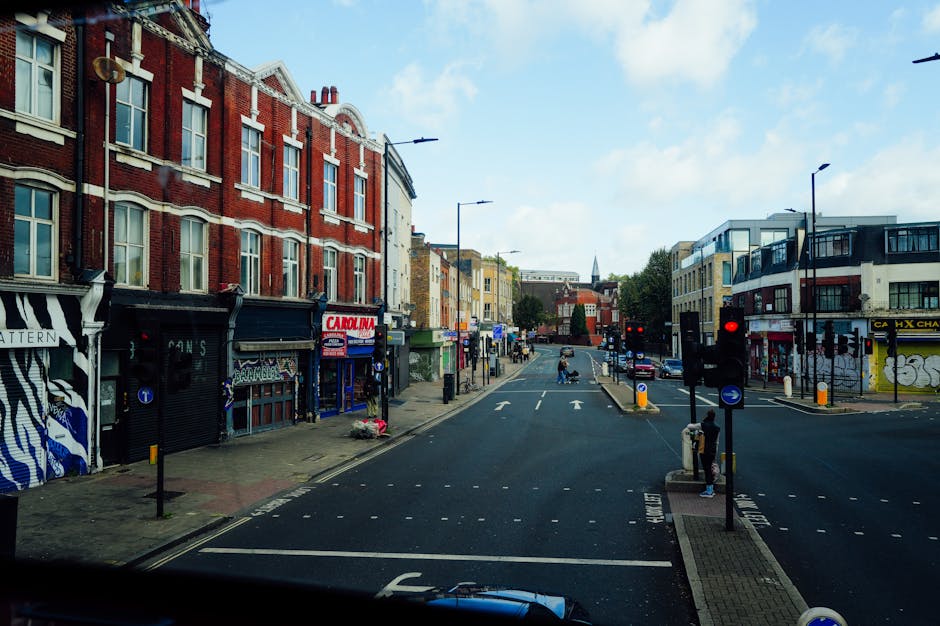
Why Rubbish removal guide for Uxbridge Road Shepherds Bush Matters
Uxbridge Road is busy, mixed-use, and always moving. Flats, HMOs, shops, cafes, offices, and renovations all create different kinds of waste. That makes rubbish removal in this part of Shepherds Bush more than a simple "pick it up and take it away" job. It affects access, timing, neighbours, parking, and how easily waste can be loaded without causing disruption.
When rubbish is left too long, it starts to create practical problems. Bags take up hallways. Loose waste attracts pests. Cardboard gets wet and spreads. Builder's debris becomes a trip hazard. And in shared buildings, one person's delay can become everyone's headache. A well-handled clearance avoids that slow slide from tidy to chaotic. You will notice the difference straight away: the space feels calmer, lighter, more usable.
There is also a trust angle here. Good rubbish removal is not just about van capacity. It is about how items are sorted, what is recycled, what is reused, and how responsibly the waste is handled. If sustainability matters to you, a company that takes recycling seriously is worth your attention. You can read more about that approach on the site's recycling and sustainability page.
For local residents and landlords alike, a reliable clearance can also reduce friction during moves, end-of-tenancy cleans, refurbishments, and business changes. And if you are in a property-heavy part of London, that sort of efficiency matters. A lot.
How Rubbish removal guide for Uxbridge Road Shepherds Bush Works
At a practical level, rubbish removal usually follows a simple pattern: assess, quote, collect, sort, dispose, and recycle where possible. The exact process may vary depending on the type of waste, access to your property, and whether there are items that need special handling, like heavy appliances or construction debris.
Here is the usual flow.
- Initial assessment. You identify what needs removing. A rough list is often enough at first, but photos help if the job is larger.
- Quote or estimate. A reputable provider will normally base pricing on volume, weight, labour, access difficulty, and disposal requirements. If you are comparing options, the pricing and quotes page is a sensible place to start.
- Collection. The team arrives, removes the waste, and does the lifting. On Uxbridge Road, access and timing matter, so this part can be smoother if you have thought about parking, lifts, and entry routes.
- Sorting and segregation. Recyclable material, reusable items, general waste, and specialist waste may be separated. That is usually a sign of a more careful service.
- Responsible disposal. The final step should be lawful and transparent. Good services do not just disappear with the rubbish; they manage the whole chain properly.
If the job is specific rather than general, a more focused service can be better. For example, a renovation produces different waste from a garden clearance, and an office shutdown is not the same as clearing a flat. That is why many people start with the broader waste removal page and then narrow it down to the most relevant service.
One small but useful detail: if your rubbish is scattered through the property, the time spent carrying it out can matter more than the amount itself. A top-floor flat with no lift is a different job from a ground-floor shop. Simple, but easy to overlook.
Key Benefits and Practical Advantages
Good rubbish removal gives you more than an empty room. It gives you momentum. Once the clutter is gone, decisions get easier. You can decorate, rent, sell, repair, or reorganise without stepping over things you do not need anymore.
- Faster turnaround. Clear the space in one visit rather than making repeated trips.
- Less physical strain. Heavy lifting is exactly the kind of thing that seems doable until you are halfway down the stairs.
- Better recycling outcomes. Sorting waste properly improves the chance of reuse and recycling.
- Reduced stress. That annoying "we still need to deal with this" feeling disappears.
- More control over timing. Useful for busy roads and narrow windows when access is easier.
- Cleaner handovers. Especially helpful for landlords, tenants, agents, and small businesses.
There is also a less obvious benefit: professional rubbish removal reduces the risk of making disposal mistakes. A van full of mixed items can quickly become a compliance problem if it includes the wrong kind of waste or if it has not been handled by someone who knows what they are doing. The site's insurance and safety information is useful if you want reassurance about the care side of the service.
Expert summary: The best rubbish removal is not just fast. It is organised, safe, and thoughtful. If a provider can explain how they handle access, sorting, recycling, and disposal, that is usually a very good sign.
Who This Is For and When It Makes Sense
This guide is useful for more people than you might think. Uxbridge Road runs through an area where living and working spaces often overlap, and that creates all sorts of rubbish scenarios.
Homeowners and renters
If you are moving out, replacing furniture, clearing a loft, or dealing with the aftermath of a "we'll sort it later" room, professional removal can save time and your back. It is especially helpful where bulky items are too awkward for regular household disposal.
Landlords and letting agents
Between tenancies, time is everything. A fast, tidy clearance can help turn a property around without dragging the process out. Small delays can mean lost days. No one enjoys that.
Local businesses
Shops, salons, offices, and hospitality venues often need rubbish removed after refits, stock changes, seasonal clear-outs, or closures. For business waste, a more tailored option may be better, such as the office clearance service.
Builders and tradespeople
If you are doing renovations, a builder's waste plan saves time on site and keeps work moving. Broken plasterboard, wood, packaging, tiles, and mixed construction debris are common examples. For these jobs, builders waste disposal in Shepherds Bush is often the cleaner option.
Garden and outdoor projects
Cuttings, soil, branches, damaged planters, and old outdoor furniture can add up quickly. If your waste is mostly green material, a dedicated garden waste removal service may make more sense.
When does it make sense to book? Usually when the waste is too heavy, too bulky, too much for your own vehicle, or too awkward to manage safely. Sometimes the deciding factor is simply time. Fair enough, that alone is reason enough.
Step-by-Step Guidance
If you want to make rubbish removal easier on yourself, the trick is to break it into small decisions. Here is a straightforward way to do it.
- Walk through the space. Check every room, cupboard, corner, and outdoor area. People often miss things tucked behind doors or under desks.
- Sort items into simple groups. Keep it basic: reuse, recycle, donate, dispose, and unsure. Do not overcomplicate it.
- Identify heavy or awkward items. Mattresses, fridges, wardrobes, broken cabinets, soil bags, and construction rubble need extra planning.
- Check access. Think about stairs, lifts, narrow entrances, parking, and any road restrictions. On a busy stretch like Uxbridge Road, this can make a big difference.
- Gather a clear description. Note volumes, item types, and whether anything is hazardous or unusually heavy.
- Ask for a realistic quote. Good pricing should reflect the actual job, not just a generic estimate.
- Prepare the space. Move items into one area if safe to do so. Keep walkways clear. It sounds small, but it helps.
- Confirm how the waste will be handled. Ask about recycling, reuse, and disposal methods.
- Book a convenient time. Choose a slot that works with building access and neighbours. Morning collections often feel less disruptive.
- Do a final sweep. Check cupboards, sheds, storage areas, and the back of wardrobes before the team leaves.
That final sweep has saved more than one person from the "oh no, I forgot the filing cabinet" moment. Been there, seen it, not ideal.
Expert Tips for Better Results
A few small habits can improve the whole experience, especially in a busy local area.
- Take photos before booking. This gives a clearer idea of the job and helps avoid misunderstandings.
- Separate obvious recyclables. Cardboard, clean metal, and reusable furniture are easier to manage when grouped.
- Keep hazardous items apart. Paints, chemicals, batteries, and similar items often need different handling. Do not mix them in with general rubbish.
- Ask about loading access early. If a van cannot park close, the time and labour increase. Simple as that.
- Choose the right service for the waste type. House clearances, office clearances, and builders' waste are not interchangeable.
- Book before peak pressure points. Moving day, renovation deadlines, and end-of-tenancy dates tend to get busy fast.
- Keep paperwork and notes. If the job involves a landlord, managing agent, or contractor, it helps to have a clear record of what was removed.
If your priority is a full property clear-out, the dedicated house clearance in Shepherds Bush page is worth a look. It is often the better fit for larger domestic jobs than a generic waste collection. Likewise, if the job is commercial, keep the office-specific option in mind.
And a little honesty here: the cleanest jobs are usually the boring ones. The ones where somebody measured twice, sorted once, and made the access route easy. Not glamorous, but effective.

Common Mistakes to Avoid
Most rubbish removal problems are avoidable. They happen when people underestimate the volume, ignore access issues, or choose the wrong disposal method. The good news is that these mistakes are easy to spot once you know what to look for.
- Leaving everything until the last minute. That is how a small task turns into a rushed scramble.
- Underestimating volume. A pile that looks "small enough" in a room can fill a van surprisingly quickly.
- Mixing item types without warning. Builders' rubble, white goods, and ordinary household rubbish often need different handling.
- Forgetting about access. Steps, lift sizes, and parking restrictions can affect timing and cost.
- Assuming all waste can go together. It cannot, and that matters more than many people realise.
- Not checking what is included. Make sure labour, loading, disposal, and recycling are clearly understood.
- Using the wrong service. A garden clear-out is not the same as a loft clearance or office strip-out.
The most expensive mistake is often the quiet one: booking a service that is not suited to the material. For example, if you need to remove renovation debris, a general rubbish pickup may not be enough. In that case, the specialised builders' option is usually the safer bet.
Another small but common issue is forgetting about shared spaces. In flats around Shepherds Bush, it is worth being considerate with corridors, stairwells, and timing. Neighbours notice more than you think. They really do.
Tools, Resources and Recommendations
You do not need fancy equipment to prepare for rubbish removal, but a few simple tools make the job easier and safer.
- Heavy-duty bin bags. Good for light mixed waste, but not for sharp or overly heavy items.
- Labels or marker pens. Useful if you are sorting items in advance.
- Gloves. A basic safety step when moving dusty or awkward items.
- Tape measure. Helpful for checking if large items will fit through doorways or into lifts.
- Phone camera. Take photos of the waste before collection and after the space is cleared if you need records.
- Boxes or crates. Useful for separating donations, documents, or items you are keeping.
As for recommendations, start with the page that best matches your waste type. If you are not sure which route fits, the your rubbish removal needs page is a practical starting point because it helps you think about the job before making a decision. It is one of those pages that saves time later.
For local context and a better sense of the neighbourhood, there are also related reads about the area, including why Shepherds Bush appeals to so many Londoners and whether Shepherds Bush is a desirable place to live. Those are not rubbish-removal guides, of course, but they help set the local scene.
Law, Compliance, Standards and Best Practice
Waste removal in the UK is not something to treat casually. You do not need to become a legal expert, but you do need to know the basics. Responsible handlers should know what they are taking, where it is going, and how it is processed. That is standard best practice.
For householders and businesses alike, the main principle is simple: waste should be passed to a legitimate operator, and it should not be fly-tipped or dumped in ways that create risk for others. If a quote sounds suspiciously cheap, ask yourself why. Is the provider properly equipped? Will they sort and dispose of the waste responsibly? Are they clear about what happens next?
Insurance also matters. The team should be able to work safely around your property and, where relevant, handle lifting and access sensibly. If you are booking for a business or a larger property, check the provider's insurance and safety information before confirming anything.
Environmental practice matters too. Reuse and recycling are not just nice extras. They are part of good waste management. A provider that talks clearly about sorting and diversion from landfill is usually taking the work seriously. For a broader look at that ethos, the site's recycling and sustainability page is relevant.
For businesses, there may be additional expectations around privacy, contracts, and service terms, especially if documents or IT equipment are being cleared. It is sensible to review the site's terms and conditions and privacy policy if you want a fuller picture of how the service is structured.
Options, Methods, or Comparison Table
Different waste problems call for different solutions. The table below gives a simple comparison so you can match the method to the job.
| Option | Best for | Strengths | Watch-outs |
|---|---|---|---|
| DIY disposal | Very small, light loads | Low direct cost, flexible timing | Time-consuming, lifting risk, vehicle access issues |
| General rubbish clearance | Mixed household waste, clutter, bulky items | Quick, convenient, suitable for one-off clear-outs | Needs good access planning and accurate item descriptions |
| House clearance | Whole rooms, flats, end-of-tenancy jobs | Efficient for larger domestic clearances | Can cost more if access or volume is underestimated |
| Office clearance | Desks, filing, furniture, business waste | Good for commercial spaces and move-outs | May need coordination with building management |
| Builders waste disposal | Renovation debris, mixed construction waste | Suitable for heavier, dirtier waste streams | Often needs more careful sorting and lifting |
| Garden waste removal | Cuttings, branches, soil, outdoor debris | Cleaner for outdoor projects, less mess at home | Wet green waste can be heavier than it looks |
As a rule of thumb, the bigger the job, the more useful a specialist service becomes. A flat clear-out, for example, might be best handled as a house clearance, while a post-refurbishment cleanup should probably be treated as builders' waste. Matching the method properly saves time and avoids awkward surprises on the day.
Case Study or Real-World Example
A typical local scenario goes like this. A couple in a first-floor flat near Uxbridge Road had renovated their kitchen and were left with broken cabinets, packaging, old shelves, and two awkward appliances. They initially thought they could manage it with a few trips in their own car. Then they realised one cabinet would barely fit through the hallway, let alone down the stairs without a lift. Classic.
Instead of stretching the job across several weekends, they sorted the waste into simple groups: reusable items, mixed rubbish, and renovation debris. They took photos, checked the access route, and arranged a clearance slot when parking outside was less of a headache. The result was straightforward: the waste was removed in one visit, the space was cleared for finishing work, and the flat felt usable again almost immediately.
What made it work was not luck. It was preparation. They did not overthink it, but they did enough. That is usually the sweet spot.
If the same job had been treated as a full builders' project from the start, it would have been easier still. For more heavily mixed renovation material, the dedicated builders waste disposal service would likely have been the right fit. That kind of matching matters more than people sometimes realise.
Practical Checklist
Use this checklist before your collection day. It keeps things simple.
- Walk through every room and list what needs removing.
- Separate items you want to keep, donate, recycle, or dispose of.
- Take photos of bulky items and any unusually heavy waste.
- Check stairs, lifts, and access routes.
- Confirm whether parking or loading space is available.
- Identify anything that needs special handling, such as paint, batteries, or electrical items.
- Measure large furniture if access looks tight.
- Decide which service best fits the job: household, office, garden, or builders' waste.
- Keep corridors and doorways clear on the day.
- Do one last sweep of cupboards, sheds, lofts, and storage areas.
That last one matters more than people think. It is always the back of the cupboard, isn't it?
Conclusion
Rubbish removal on Uxbridge Road in Shepherds Bush is easiest when you treat it as a practical process rather than a chore you have to survive. Once you know what type of waste you have, how access works, and which service fits best, the whole thing becomes much more manageable. The goal is simple: clear the space safely, avoid unnecessary cost, and make sure the waste is handled properly.
If you are still deciding, start by matching the job to the right service and then look at access, timing, and disposal quality. A small bit of planning goes a long way. And honestly, the relief of standing in a clean, open room after a proper clearance is hard to beat. That quiet, uncluttered feeling? It stays with you.
Get a free quote today and see how much you can save.

 Tipper Van - Rubbish Removal and Waste Collection Prices in Shepherd's Bush, W12
 Luton Van - Rubbish Removal and Waste Collection Prices in Shepherd's Bush, W12


